“We’ve been spending money on marketing for two years and I still don’t know what’s working.”
A café owner in Carlton said that to me over coffee, which felt appropriate given the setting. She had a website, a Facebook page, an Instagram account, a Google Ads campaign that someone set up eighteen months ago and nobody had touched since, and a monthly retainer with a “digital marketing company” that sent her a report she never read. Two years in, she couldn’t draw a straight line between any of it and the customers walking through her door.
That conversation sticks with me because it is not unusual. Most small business owners in Melbourne have spent money on digital marketing. Very few can tell you what they got for it.
This guide is for the business owner who is either about to hire a digital marketing company for the first time, or who has been burned before and wants to know what questions to ask this time around. If you already know what you need and just want to compare options, our guides on digital marketing packages in Melbourne and SEO services for Melbourne businesses go deeper on those specifics.
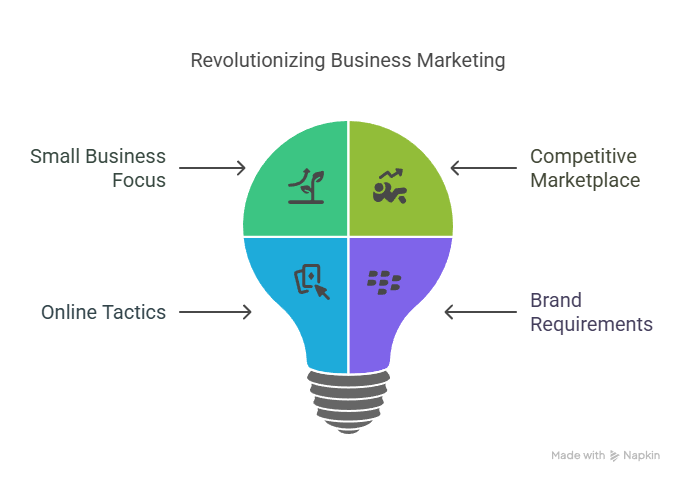
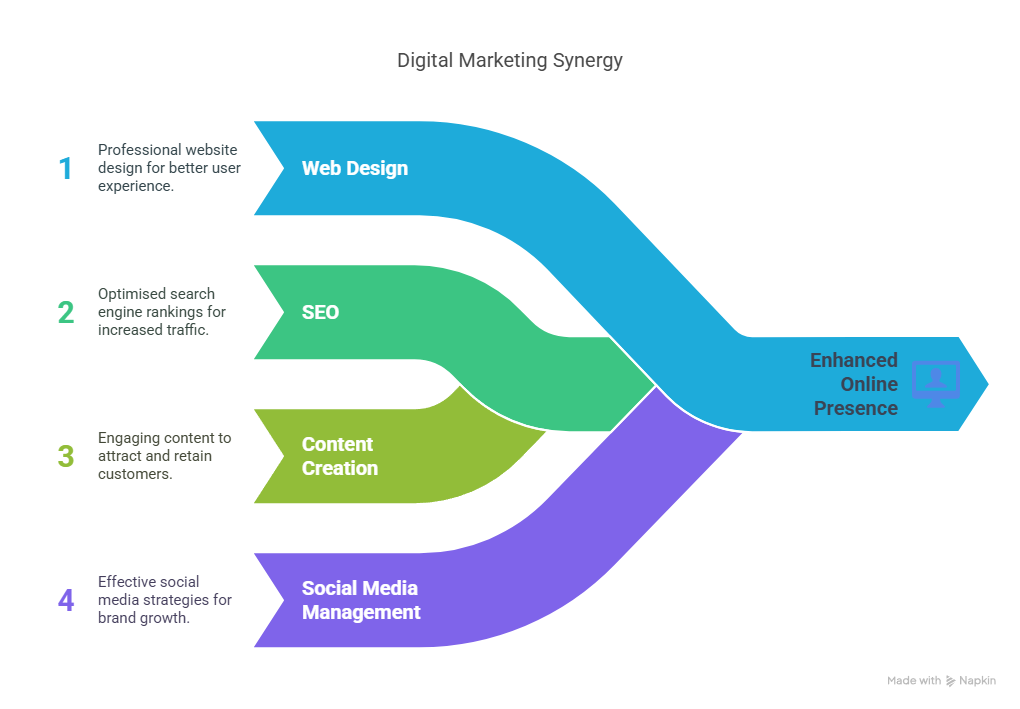
A digital marketing company manages your online presence so you don’t have to. That’s the short version. The longer version involves a few moving parts that are worth understanding before you sign anything.
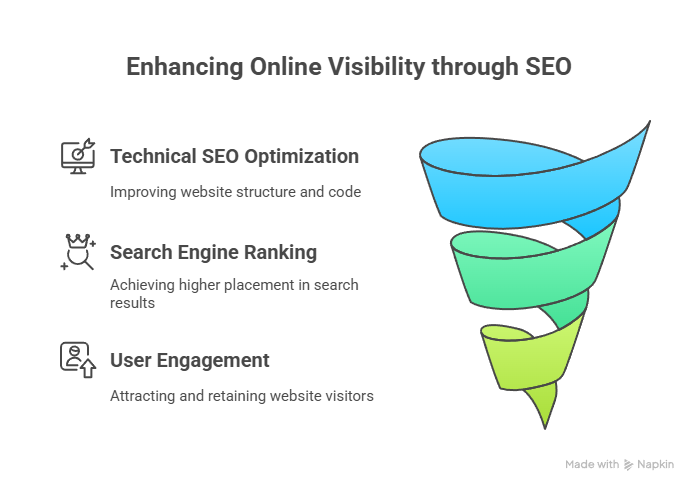
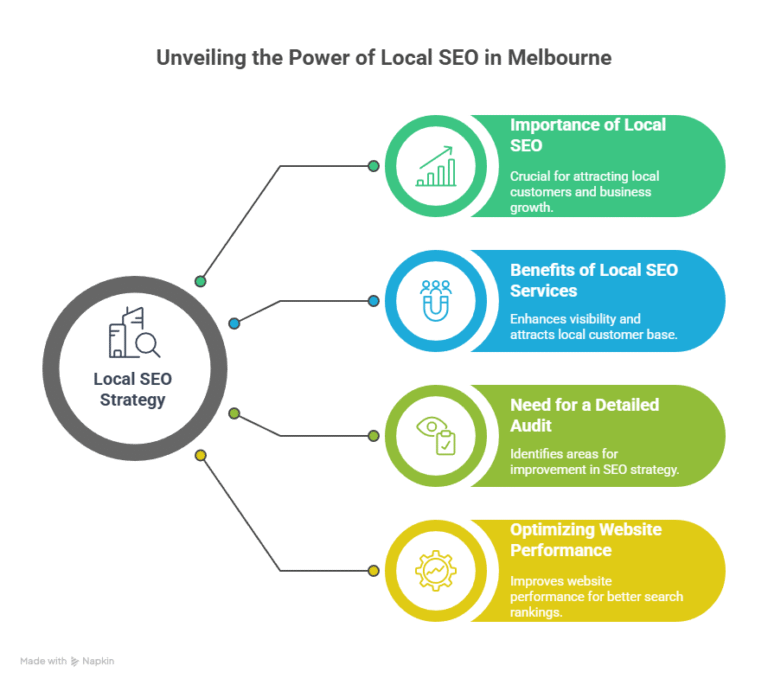
Search engine optimisation (SEO) makes your website show up when people search for what you do. If someone in Brunswick types “best Italian restaurant near me” and you’re not appearing, that’s what SEO fixes. We cover this in detail in our SEO services guide and our local SEO Melbourne guide.
Paid advertising means Google Ads, social media ads, and anything else where you pay to put your business in front of people. The upside is speed. The downside is it stops the moment you stop paying. Our Google Ads guide walks through how to stop wasting money on this.
Content marketing is creating useful content that attracts people to your website. Blog posts, guides, videos, case studies. Done well, it compounds over time. Done badly, it’s a library of pages nobody reads. Our content marketing guide covers what works and what doesn’t.
Social media management keeps your business visible on the platforms where your customers spend time. For most Melbourne small businesses, that means Facebook, Instagram, and LinkedIn.
Email marketing is the one channel you actually own. Social media platforms change their algorithms. Google changes its ranking factors. Your email list is yours, and nobody can take it away.
A good digital marketing company will manage some or all of these. The key word is “manage,” not “set up and forget.” The ones that set it and forget it are the reason people end up in conversations like the one I had with that café owner.
This is where most business owners get stuck, because every digital marketing company in Melbourne says the same things on their website. They all promise results. They all have testimonials. They all show graphs going up.
Here’s what I’d actually look at.
Do they start with questions or pitches? A good agency spends the first meeting asking about your business, your customers, your goals, and your budget. A bad one spends the first meeting telling you about their services. If they haven’t asked about your business before proposing a solution, they’re guessing.
Can they explain what they’ll do in plain language? If you walk out of a meeting and can’t explain to your spouse what you’re paying for, something went wrong. Digital marketing is not rocket science. Anyone making it sound more complicated than it is probably benefits from you not understanding it.
Do they show you results from businesses like yours? A case study from a national retailer means nothing for a plumber in Coburg. You want to see what they did for businesses roughly your size, in your market, in Melbourne. Our guide on finding the best digital marketing agency covers more of these red flags.
What happens to your accounts if you leave? Some agencies set up Google Ads accounts, social media profiles, and even websites under their own ownership. If you leave, you lose everything. Make sure you own all your accounts. Full stop.
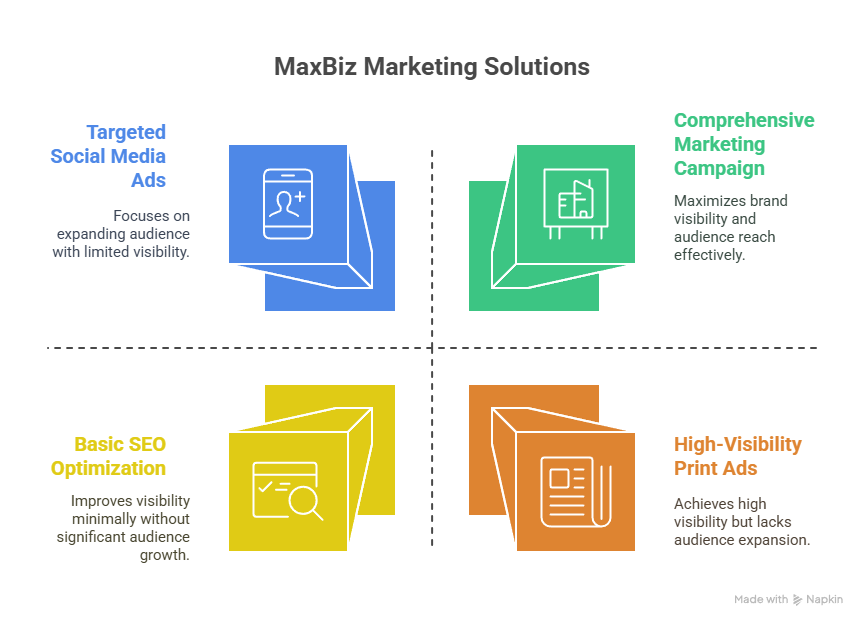
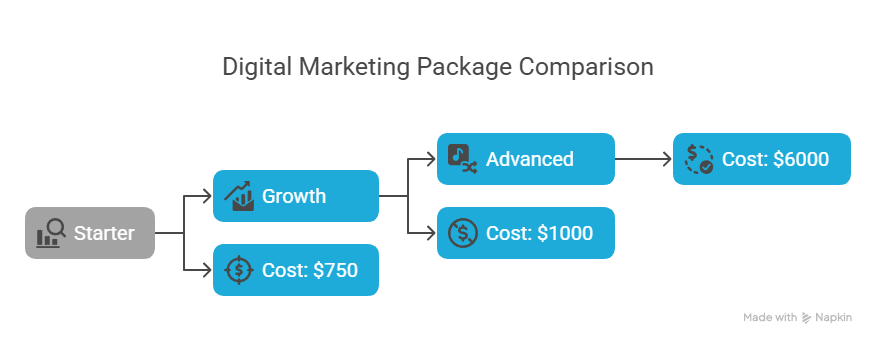
Most digital marketing companies in Melbourne offer tiered packages. Understanding what each tier gets you helps you avoid paying for things you don’t need and missing things you do.
A basic package usually covers one or two channels. Maybe SEO and social media, or Google Ads management. Monthly reporting, some keyword research, maybe a blog post or two. This suits businesses just getting started with digital marketing.
A mid-tier package adds content creation, email marketing, and more aggressive paid advertising. You’re looking at a proper strategy, not just a list of tasks. Monthly check-ins. Performance reviews. This is where most Melbourne small businesses should sit if they’re serious about growth.
A premium package covers everything. SEO, paid ads, content, social, email, conversion rate optimisation, analytics, and dedicated account management. This makes sense for businesses in competitive industries or those with multiple locations across Melbourne.
The mistake most people make is buying based on price alone. A $500 package that does nothing is more expensive than a $2,000 package that generates $10,000 in revenue. The question is not what you’re paying. The question is what you’re getting.
For a detailed breakdown of what different tiers include and what they cost, our guides on digital marketing packages for small businesses and effective digital marketing packages lay it all out.
Melbourne has some characteristics that affect how digital marketing works here. Understanding them helps you make better decisions.
First, Melbourne is a suburb-driven city. Search behaviour is local. People don’t search for “restaurant Melbourne.” They search for “restaurant Fitzroy” or “restaurant South Yarra.” A digital marketing company that understands this will build suburb-specific strategies rather than trying to rank for broad metro-wide terms.
Second, the market is competitive. There are hundreds of digital marketing companies in Melbourne, which means two things: there are plenty of good options, and there are plenty of bad ones. The barrier to entry is low. Anyone with a laptop can call themselves a digital marketing consultant. That’s not necessarily a bad thing, but it means you need to do your homework.
Third, Melbourne businesses tend to be relationship-driven. The best digital marketing agencies here aren’t the ones with the flashiest websites. They’re the ones where you can call someone by name when something goes wrong, and they pick up. Sound familiar?
If you’ve just hired a digital marketing company, here’s a rough timeline of what should happen.
Month one is about setup and audit. They should be reviewing your existing online presence, fixing anything broken, setting up tracking, and building a strategy document that you can understand. If month one is “we’ve started running ads,” without any of the groundwork, that’s a red flag.
Month two is implementation. Content starts going up. Ads start running. SEO changes get made. You should be getting weekly or fortnightly updates on what’s happening and why. Not a 30-page report. A conversation.
Month three is where you start seeing early indicators. Not necessarily a flood of new customers, but measurable movement. More website traffic. Better search rankings. Higher engagement on social. Leads starting to come in.
If nothing measurable has happened by the end of month three, it’s time for a serious conversation. Not necessarily to fire them, but to understand what’s going wrong and what needs to change. Any decent agency will welcome that conversation. The ones that get defensive are telling you something.
I’m going to give you the same questions I’d ask if I were hiring someone to handle our digital marketing. Including us.
What does your onboarding process look like? If they can’t describe it clearly, they don’t have one.
Who will be doing the actual work? Is it an in-house team, freelancers, or offshore contractors? None of these are inherently bad, but you should know. If you want to understand how outsourcing works in this industry, our white label SEO guide explains the model.
How do you measure success? If the answer is “rankings” or “impressions” and not “leads” or “revenue,” push harder. Rankings matter, but they matter because they drive business, not because they look good on a report.
What’s your minimum commitment? Month-to-month is ideal. Twelve-month lock-ins should only be considered if you’ve done your due diligence and have high confidence in the relationship.
Can I see examples of your reporting? The report should answer three questions in under two minutes: What happened? Is it working? What’s next?
Digital marketing doesn’t replace everything else you’re doing. It amplifies it.
Word of mouth is still the most powerful marketing channel for Melbourne small businesses. Digital marketing makes word of mouth travel further. A happy customer leaves a Google review. That review shows up when the next person searches for what you do. That’s word of mouth at scale.
Your website is your shopfront. Digital marketing drives people to it. If your website is slow, confusing, or outdated, driving more traffic to it is like turning up the volume on a bad song. Fix the website first, then drive traffic.
Networking and referrals still matter. But when someone gets a referral, the first thing they do is Google you. What they find when they do determines whether the referral converts. Your digital presence is your first impression, even when someone else made the introduction.
You know what a digital marketing company does, how to evaluate one, what packages typically include, and what to expect in the first three months. If you’re currently working with someone and this guide made you question a few things, that’s healthy. Ask the questions.
If you’re starting from scratch and want someone to walk you through what makes sense for your business specifically, we’re here. You know where to find us.